2025 Diversity Survey Results
In July 2025, ACE’s Diversity, Equity, Inclusion, and Justice (DEIJ) Committee ran our third annual staff diversity survey. With this survey, we gather information about various demographic characteristics of our team members, such as race, gender, and disability status, and—importantly—staff experiences related to inclusion and equity. This year’s survey incorporates feedback from the 2024 survey and is informed by the data collection methods used by Candid and CHANGE Philanthropy. Research suggests that organizations that share detailed diversity data and plans for action tend to achieve better outcomes.
Collecting diversity data each year and setting aside time to discuss ways ACE can support staff are vital parts of our commitment to building an inclusive and globally-minded organization. By understanding the varied identities, backgrounds, and experiences of our team, we gain valuable insights into where we may have biases or blind spots—both in our internal work (recruitment, career development, and workplace culture) and our external work (finding effective animal advocacy organizations around the globe for our Charity Evaluations and Movement Grants programs, and effectively communicating with our heterogenous donors who want to help animals). The information we collect helps us regularly review and improve our processes and policies to ensure they support equity, belonging, and opportunity for everyone who comes into contact with ACE.
Our planned actions based on this year’s survey include using the data to:
- Help inform an internal bias audit of our Charity Evaluations and Movement Grants programs to recognize and attempt to address gaps in our team’s knowledge (e.g. about context in less familiar geographical regions) and improve the process for all charities and applicants, but especially where language- or culture/context-related differences are prominent.
- Determine the topics that would be most relevant for our “inclusion conversations” where team members can share how aspects of our personal lives impact our experiences at work and discuss the ways in which ACE can best set each of us up for success. A couple topics we’ve touched on include:
- Aligning on workplace communication norms and understanding regional and cultural differences—e.g. a staff member from The Netherlands may be used to more direct communication than one from the United Kingdom.
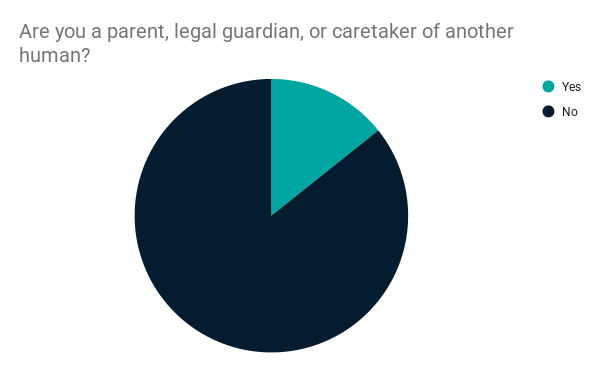
- Learning how to support staff who are also parents or caregivers—It’s been helpful to understand what aspects of ACE’s practices (e.g. flexible hours) are helpful for parents who work at ACE, and to discuss ways to better support their work experiences.
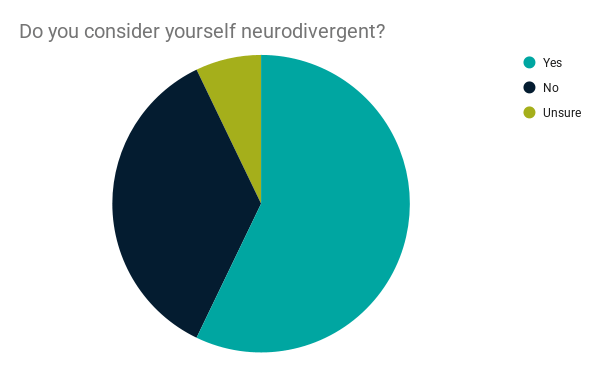
- Understanding each other’s neurodivergent traits, including strengths.
- Ensure that team members are given equitable opportunities to advance within the organization.
- Review our job postings and hiring processes to ensure that ACE is welcoming to less represented candidates in addition to those in our current networks.
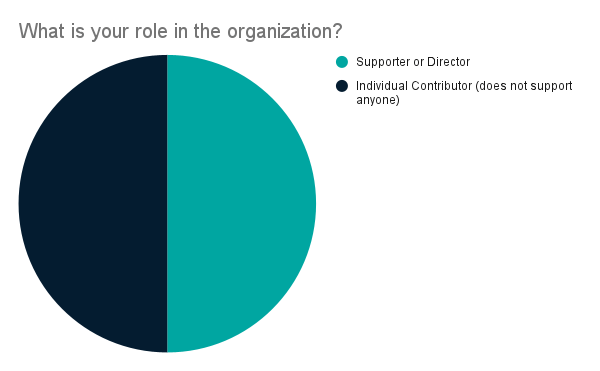
Organizational Role
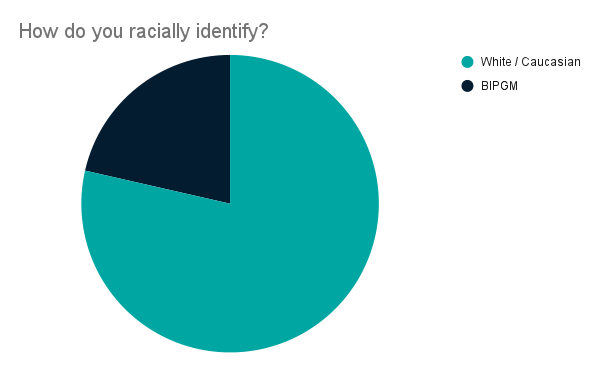
Racial Identification
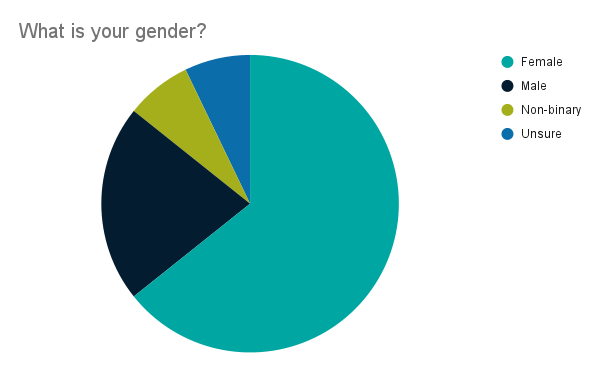
Gender
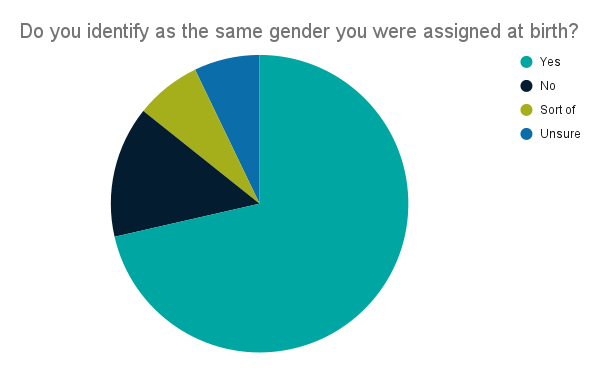
Cisgender Identification
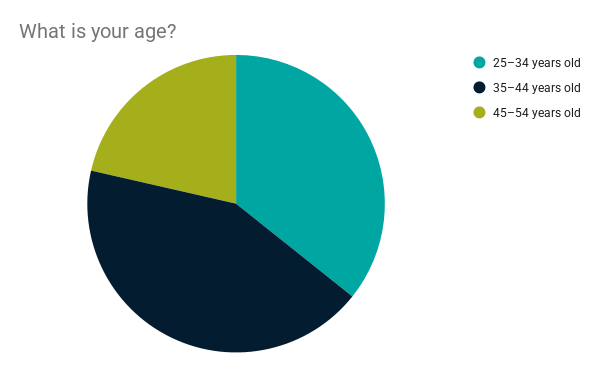
Age
Parent / Guardian / Legal Caretaker
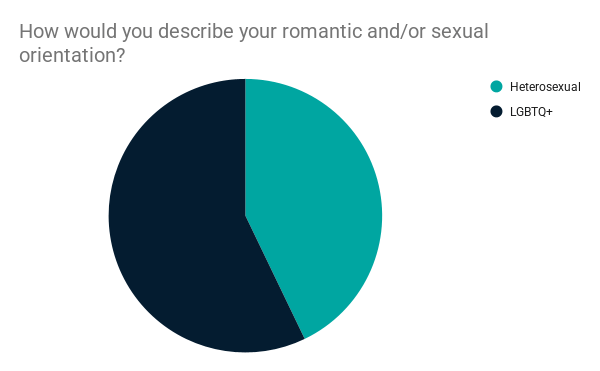
Sexual / Romantic Orientation
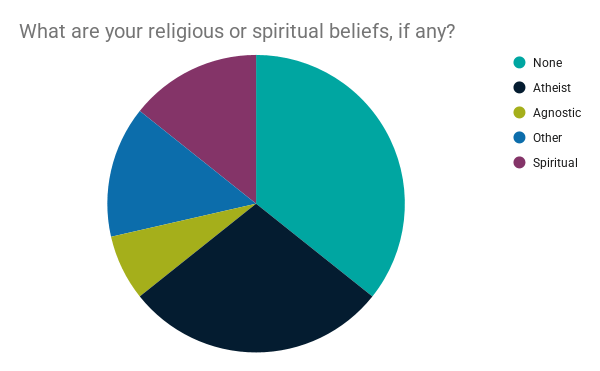
Religious / Spiritual Beliefs
Neurodivergence
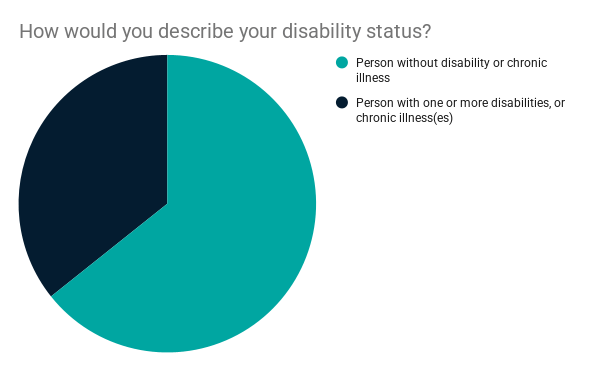
Disability
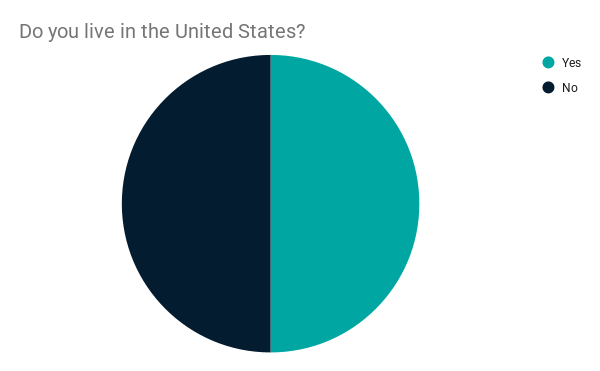
Live in USA
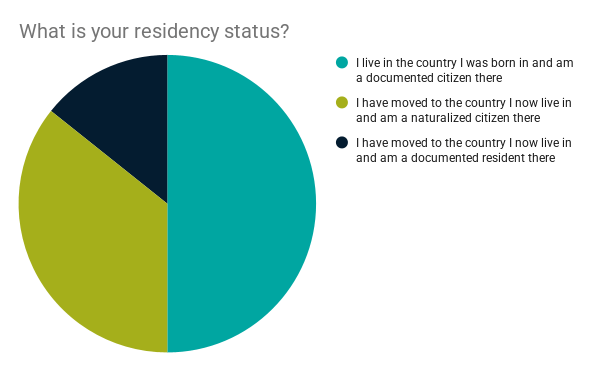
Residency Status
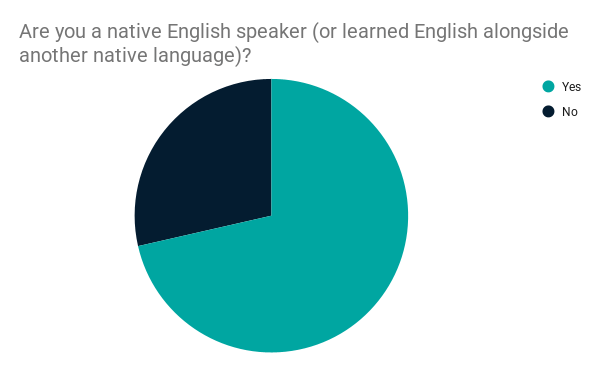
English as a First Language