Category: Animal Welfare




This month, we spoke with Emmanuel Awuni, Director at SHARED (Sustainable Health And Resilient Environments for Development), a non-profit dedicated to fostering a sustainable future through the One Health approach. SHARED recognizes the interconnectedness of animal, human, and environmental health and work to establish evidence-based policies that promote wellbeing. … Read more

Discover how Cellular Agriculture Australia is building the ecosystem for cellular agriculture and driving systemic change for animals and the future food system.
… Read more

This month, we spoke with Dr. Cynthia Schuck-Paim and Dr. Wladimir J. Alonso, Co-Founders of the Welfare Footprint Institute (WFI), a nonprofit research organization dedicated to developing and disseminating scientifically rigorous methods for quantifying animal welfare.
With backgrounds in evolutionary biology, … Read more

The EU, a global meat producer, now faces a pivotal moment for animal welfare reform. With billions of animals still confined in cages, advocates are uniting across Europe to demand change. Strategic campaigns offer a chance to set a global precedent and transform the lives of farmed animals. … Read more
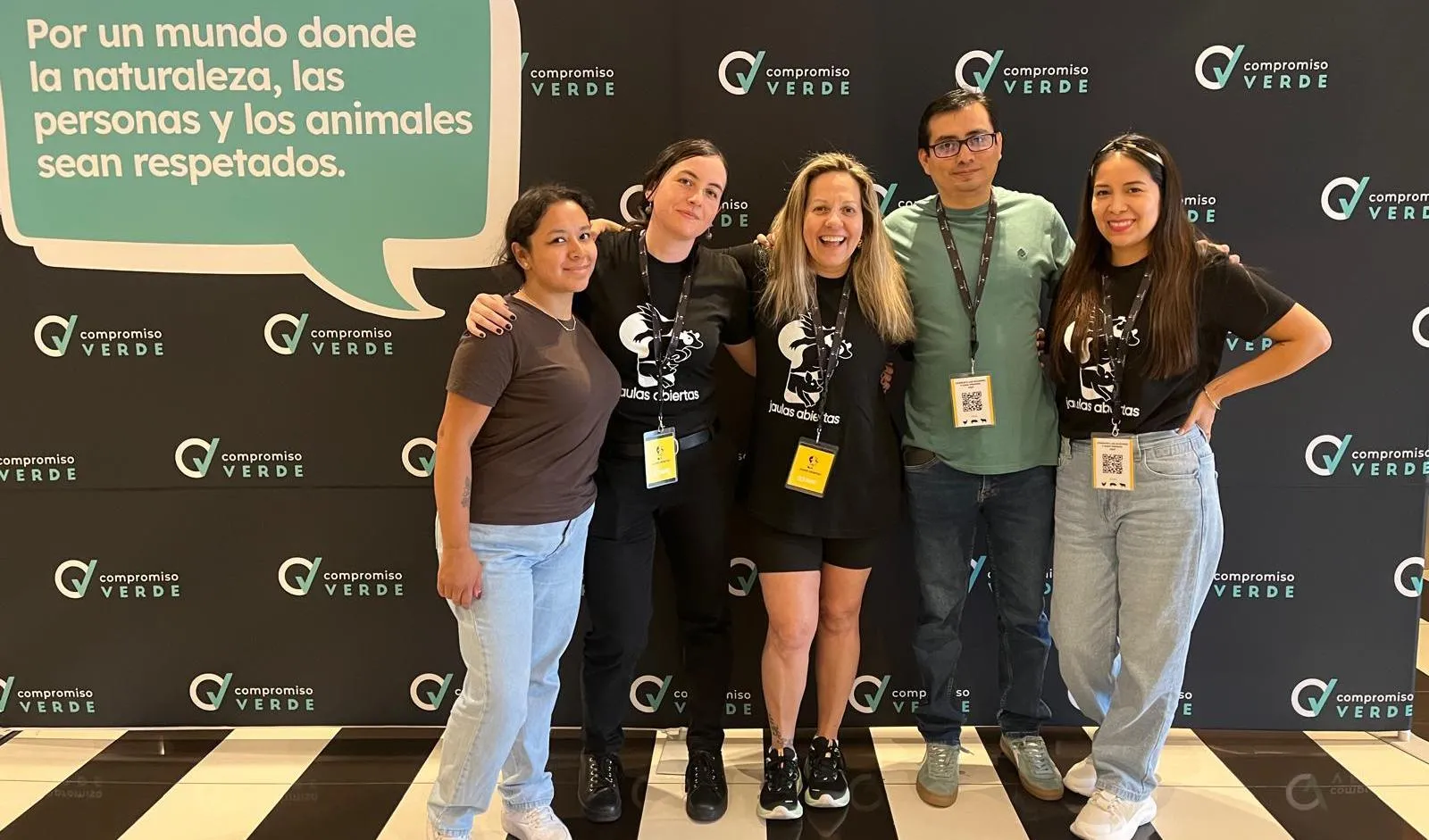
This month, we spoke with Sandra Lopes, Co-Founder and Executive Director of Compromiso Verde, one of ACE’s latest Movement Grant recipients.
As a trained lawyer with over 15 years of experience in animal advocacy, Sandra has led impactful campaigns across Latin America focused on corporate outreach, … Read more
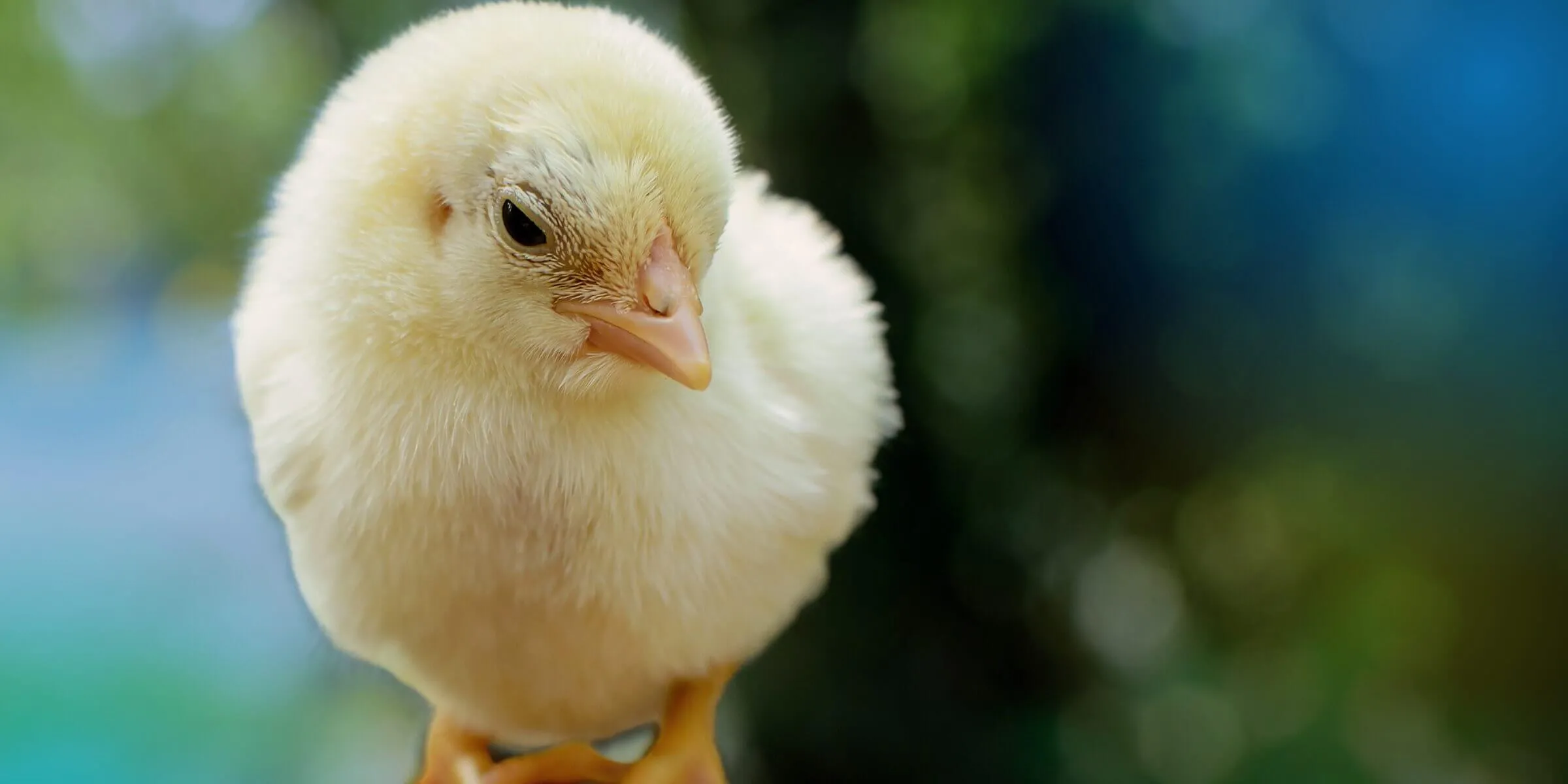
Discover how factory farming causes billions of animals to suffer, and why farmed animal advocacy is essential in the fight to improve animal welfare. … Read more
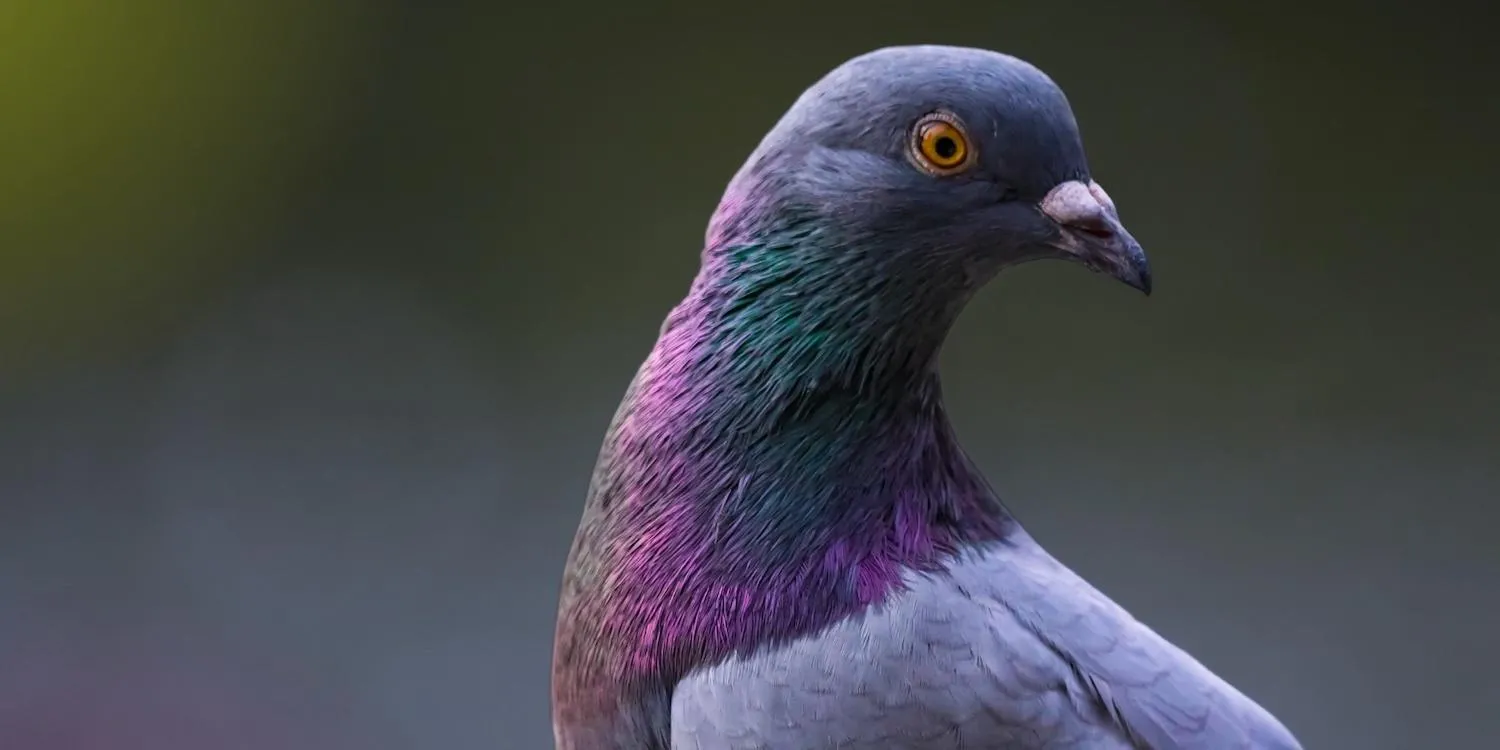
Pigeons, liminal animals nesting in urban areas, are often overlooked. Historically, they played critical roles in communication during wars. Today, pigeon population management in France varies, with some cities using cruel methods while others adopt alternatives. PAZ advocates for ethical treatment, raising awareness, and promoting humane practices through campaigns and political action.
… Read more

In this blog post, we examine the overlooked relationship between companion and wild animals. Emphasizing shared spaces and resources, we advocate for education to bridge communities and wildlife. Donations and social media integration by humane societies can aid in wild animal welfare. This underscores the importance of systemic change and inclusivity in animal welfare. … Read more
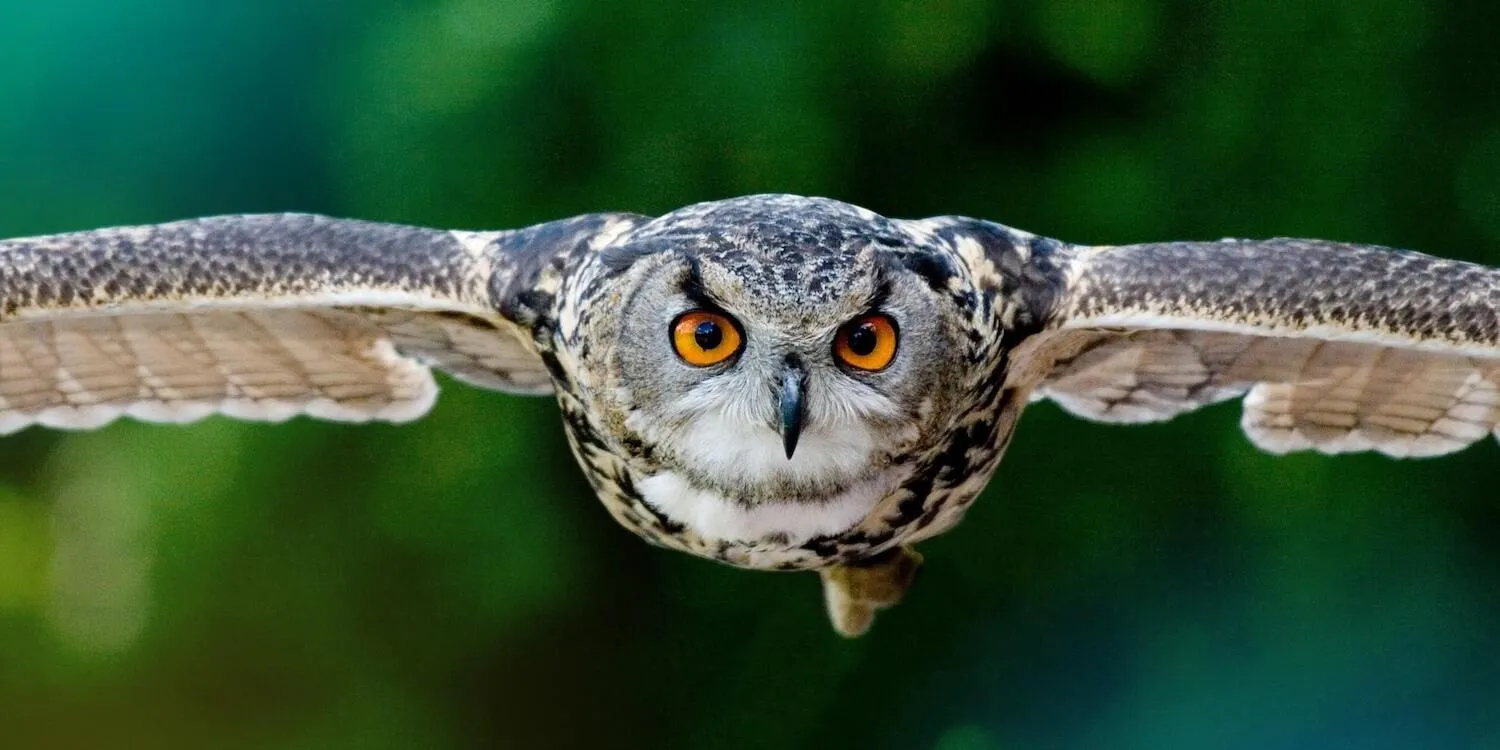
Discover animal organizations’ role in protecting animal welfare, raising awareness, and driving change. Learn how you can support effective animal charities. … Read more

Join the ACE staff in celebrating wins, expressing gratitude, and setting our sights on a future filled with even greater accomplishments for animals.
… Read more

Learn about animal advocacy research, its role in creating positive change for animals, and real-world examples of how organizations use research for advocacy. … Read more
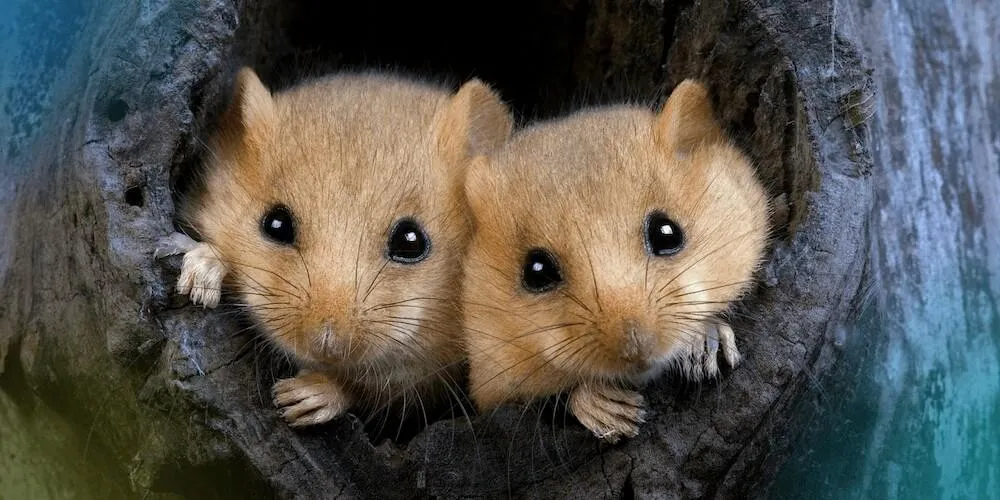
Wild animals face threats that cause suffering and jeopardize their existence. This post explores some major threats to wildlife, their impact, and what you can do to help. … Read more
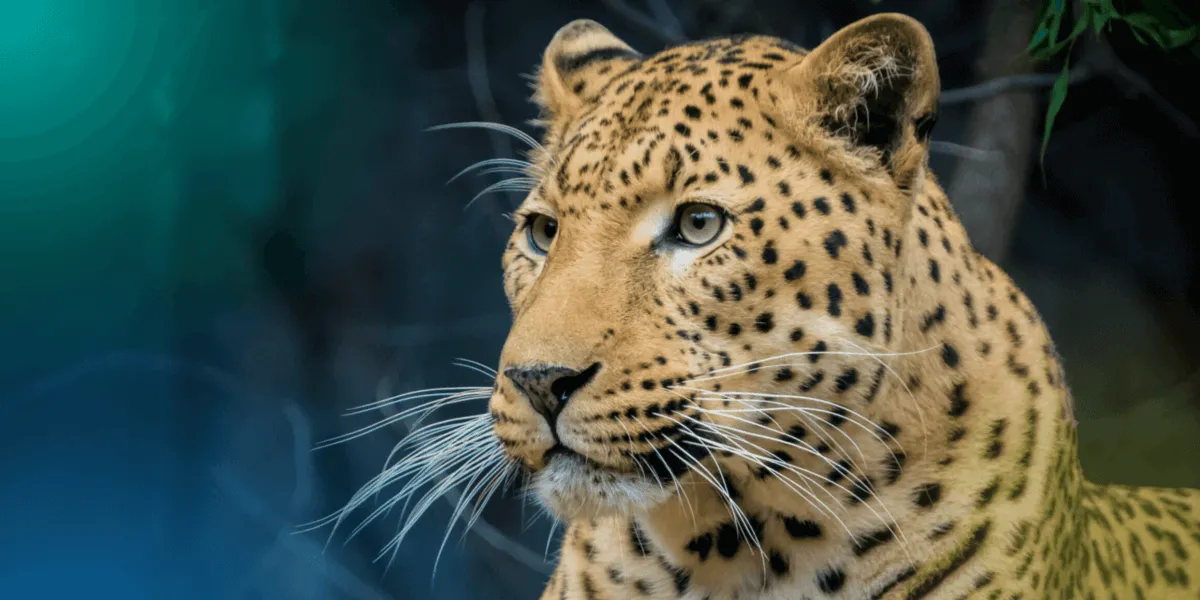
This post explores wildlife conservation’s relationship to wild animal welfare by examining wildlife conservation’s goals, the issues it seeks to address, and their impact on wild animals’ wellbeing. … Read more
There are various ways animal advocates can help fishes: In this blogpost we use the scale, tractability, and neglectedness framework to prioritize between farmed and wild-caught fishes. While interventions to decrease animal consumption or increase the availability of animal-free products can help both farmed and wild-caught fishes, prioritizing between the two can help determine how to improve fish welfare most effectively.